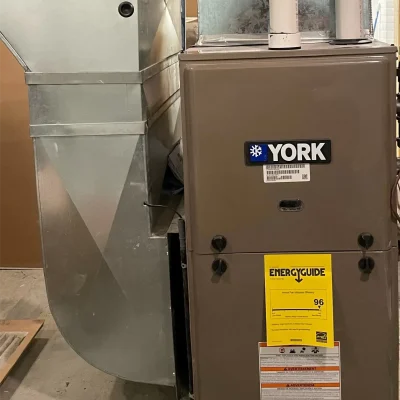
Heating problems feel most urgent on the first cold night, when every service schedule is busy. A short fall check cannot replace professional maintenance, but it can uncover simple issues and help the household explain what is happening. Natural Resources Canada’s heating-and-cooling guide is a useful reference for equipment operation and maintenance.
Start with the filter
Find the correct filter size and airflow direction. Replace or clean it according to the equipment and filter instructions. A heavily loaded filter can restrict airflow; an ill-fitting filter can let dust bypass it.
Open the air paths
Make sure supply registers and return grilles are not blocked by rugs, furniture or stored items. Walk the house while the blower runs and note rooms with unusually weak airflow or persistent temperature differences.
Test controls before you need them
Check thermostat schedules, batteries and displayed time. Switch to heat on a mild day and listen through a complete cycle. Record unusual noises, smells, error messages or short cycling rather than repeatedly resetting the equipment. If drafty rooms are part of the complaint, use the federal Keeping the Heat In guide to understand the envelope side of the problem.
Clear the service area
Keep combustible storage and clutter away from heating equipment. Make sure the technician can reach the furnace, boiler, electrical shutoff, filter and drains. Outdoor equipment should be clear of leaves and later kept free of snow according to manufacturer guidance.
Know when to stop
Do not bypass safety controls or attempt gas, combustion, refrigerant or electrical repairs yourself. If a carbon-monoxide alarm sounds, follow the alarm manufacturer’s emergency instructions and contact appropriate emergency services. For broader upgrades, Ontario’s home-energy overview summarizes programs and efficiency choices worth checking.
If replacement or a broader comfort upgrade is on the horizon, read our practical HVAC plan for Norfolk homes before comparing equipment.
Useful references
Rules and programs change. Confirm current requirements with the responsible agency before making project decisions.